The brief
A short history explainer, told straight and funny, with every claim checked before a word was recorded. It was also the test run for a reusable story-shorts engine: pick a true story and check the script, then record the voice and animate it.
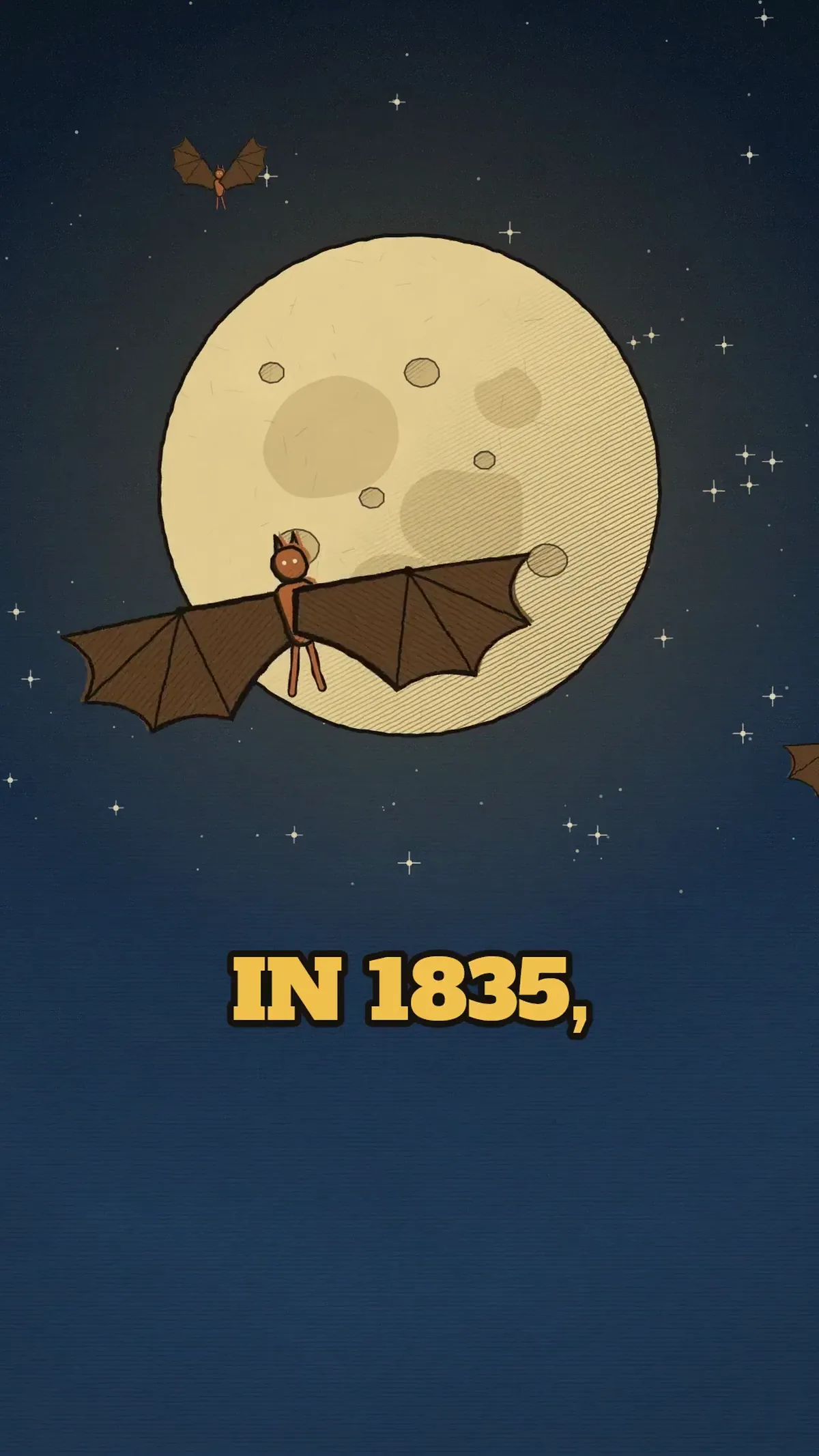
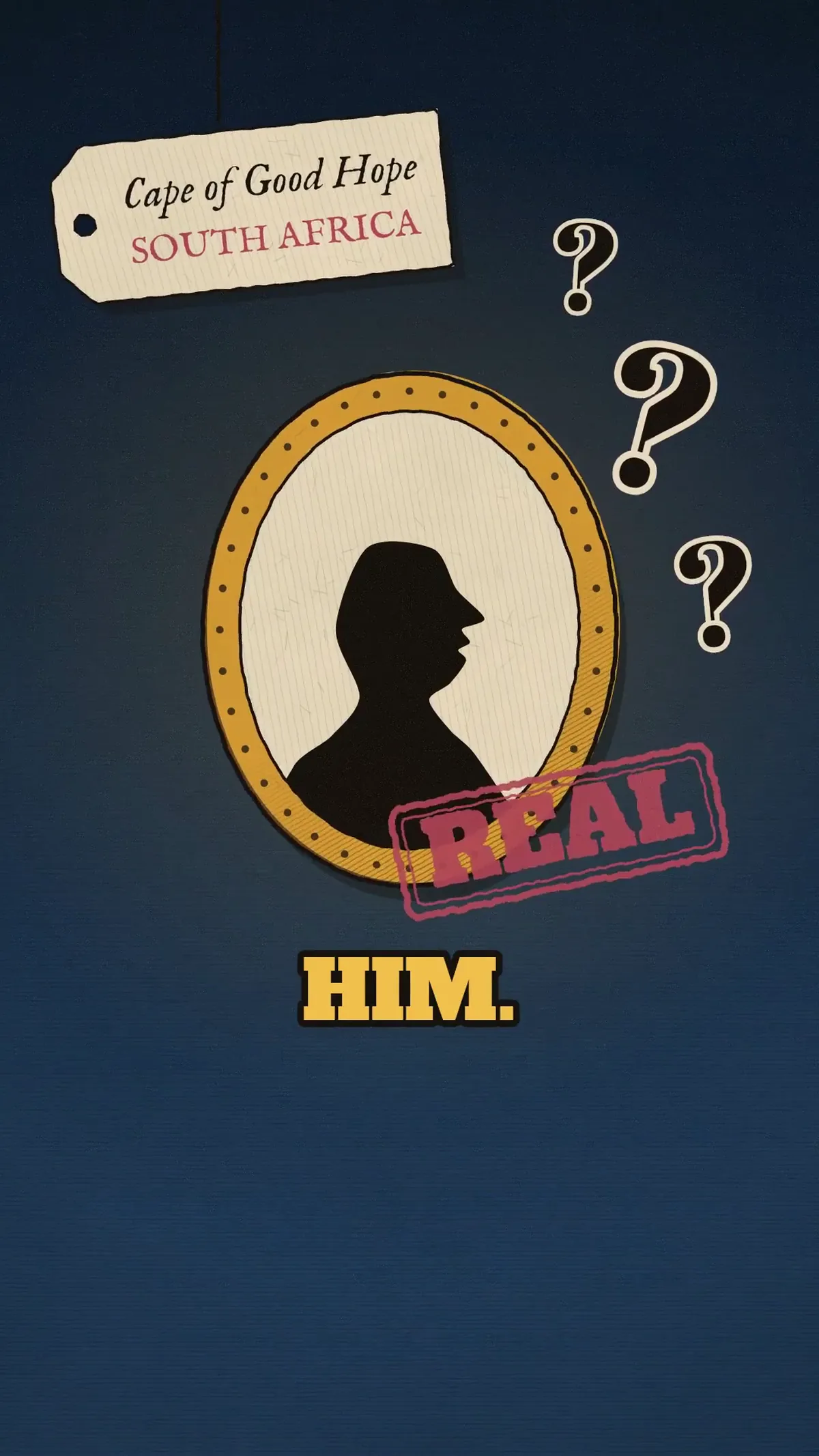
The story is the Great Moon Hoax of 1835, when a New York paper ran a series about life on the moon.
What we made
- A 45.5 second vertical short at 1080 x 1920, sized for the big short-video apps
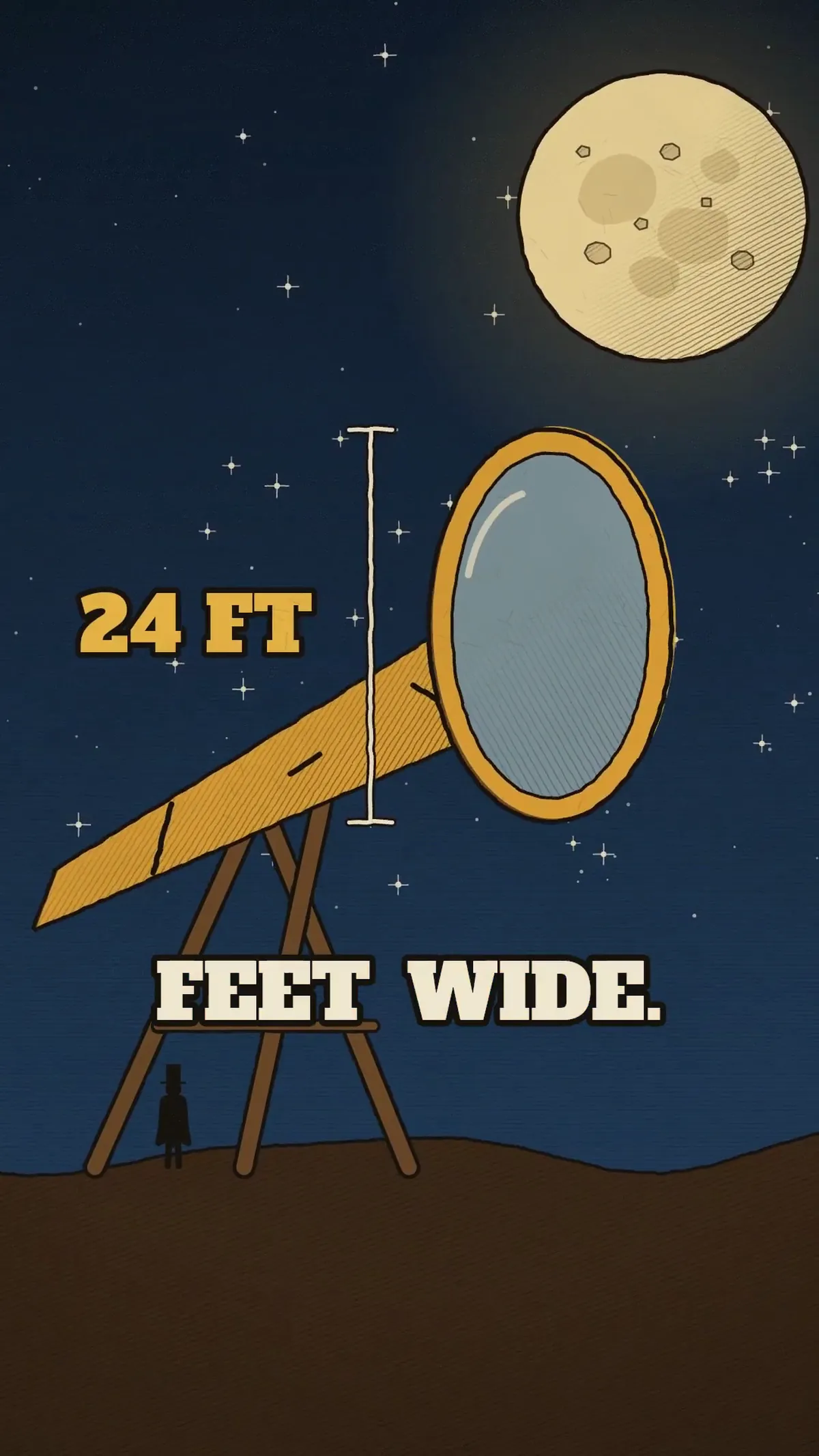
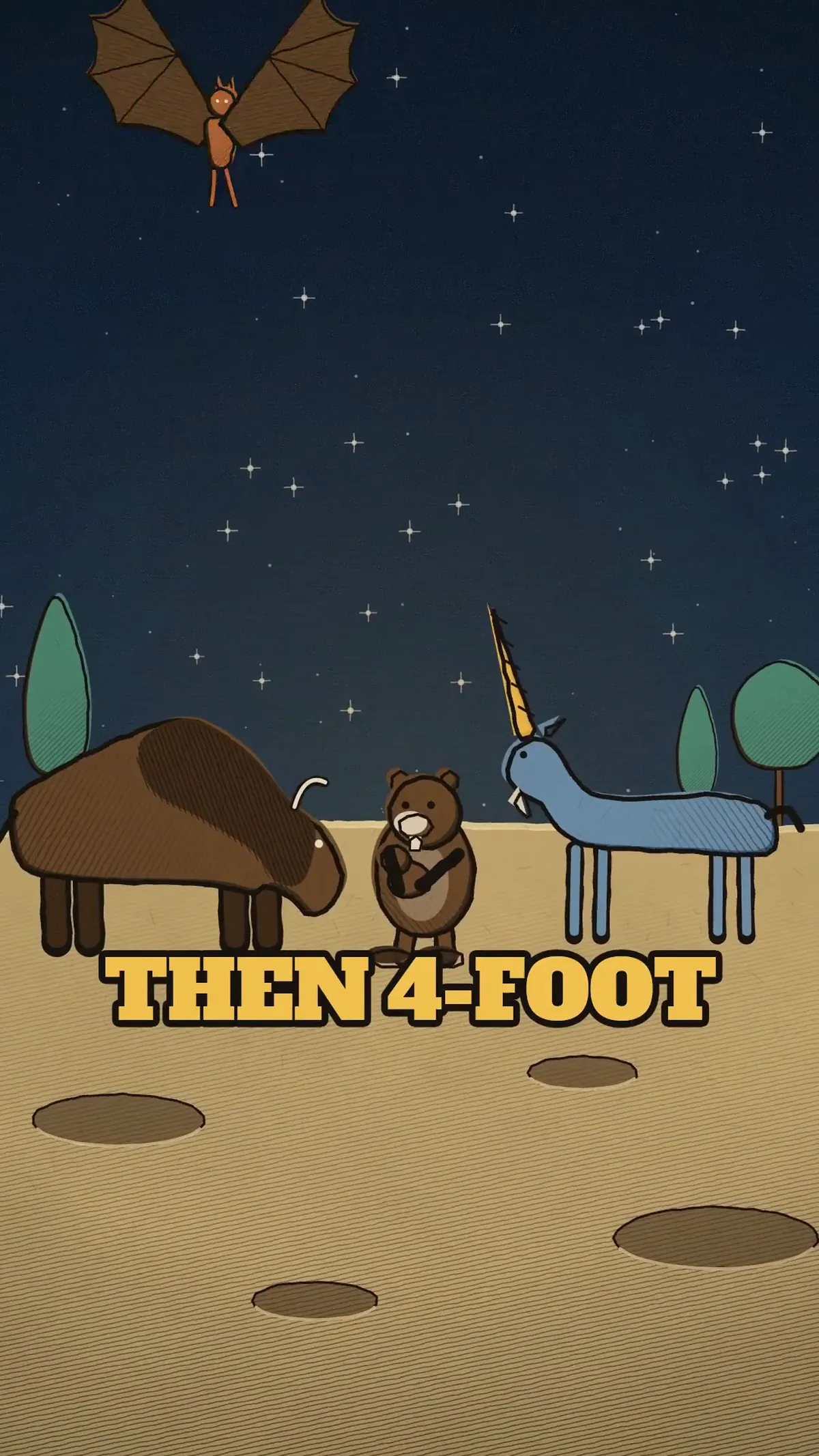
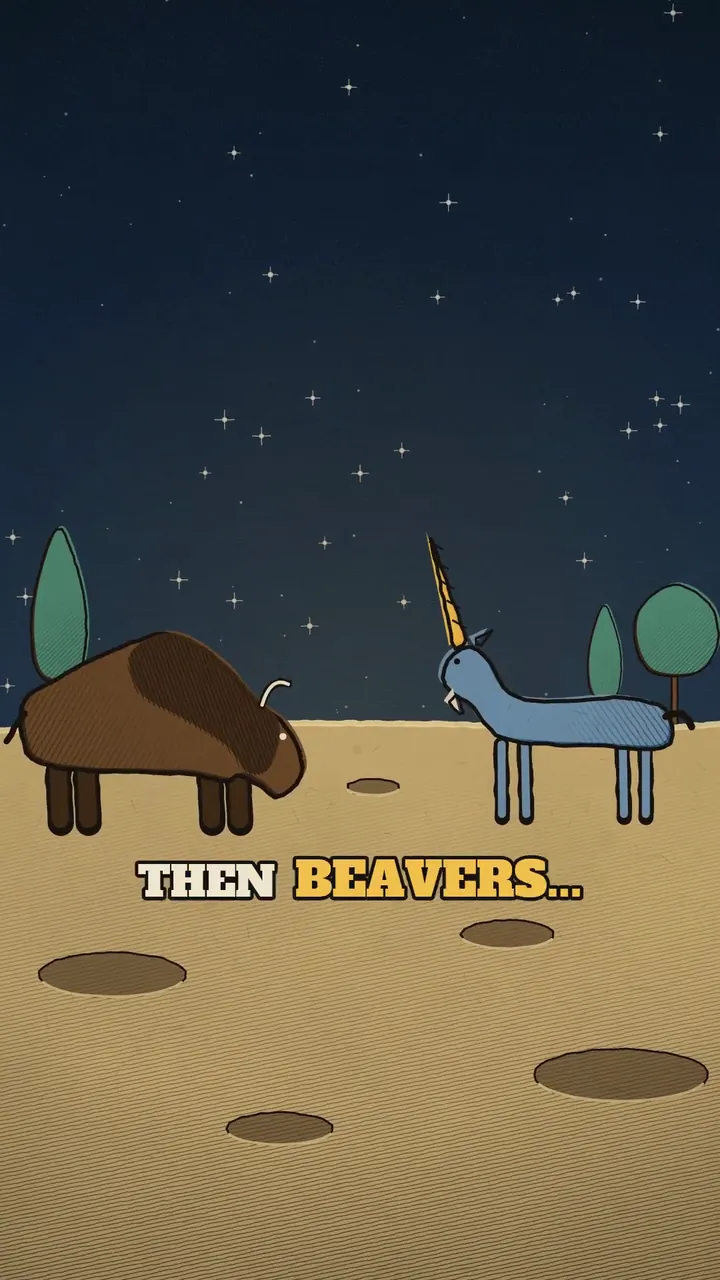
- Art drawn in code in a lithograph ink style: a cream moon, a navy sky, a 24 foot lens, bison, unicorns and winged bat-people
- Word-by-word captions synced to the narration
- A cover frame with the paper's masthead and headline
- The engine itself, packaged so the next story starts from the same tools
How it works
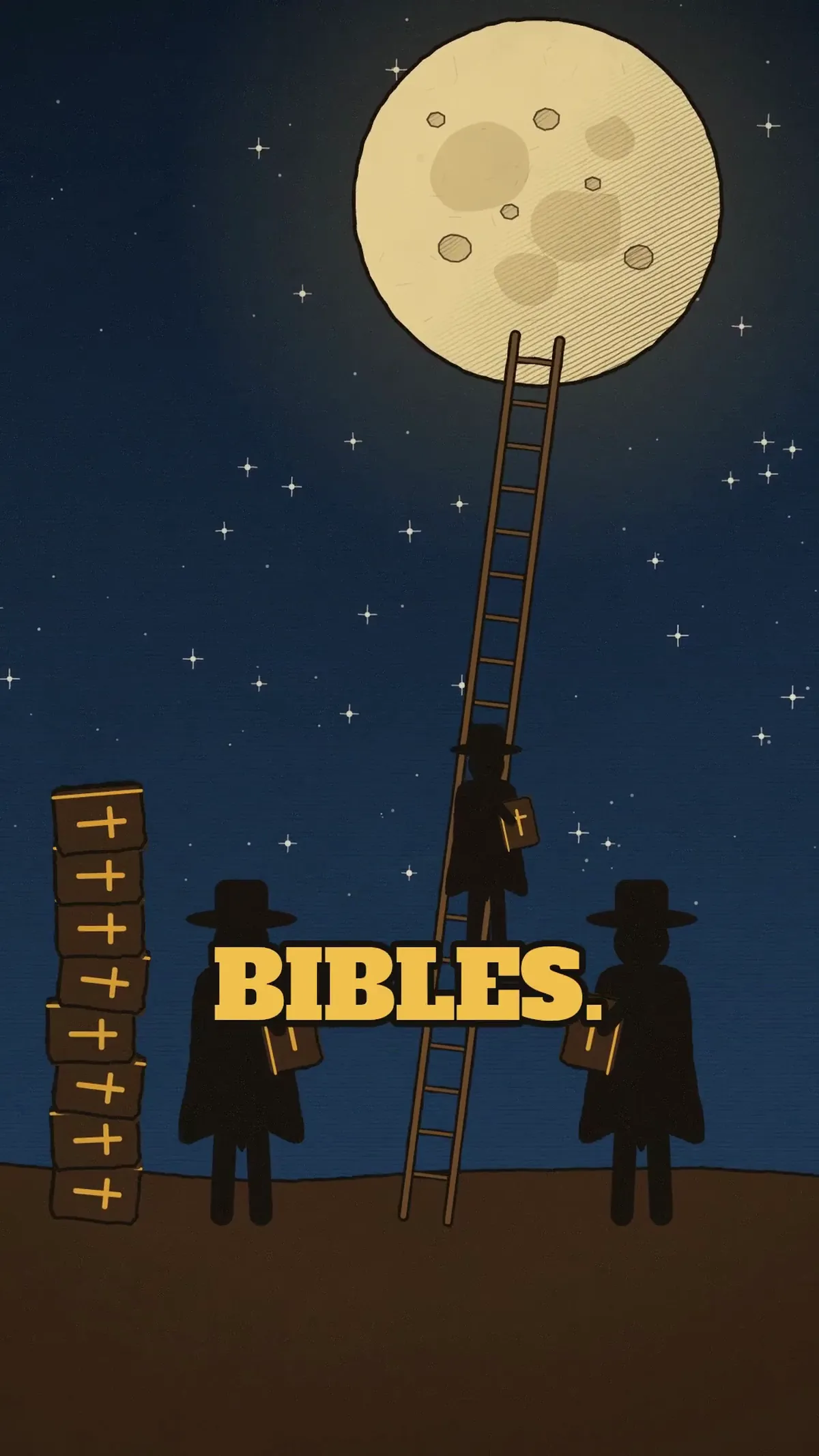
The script came first, and it was checked against three sources: the Wikipedia article on the hoax, a JSTOR Daily piece and a 2005 history. The short says what the paper claimed: that the astronomer John Herschel had seen bison, unicorns and winged people on the moon through a lens 24 feet wide, and that missionaries reportedly wondered how to send them Bibles. It also says what was true: Herschel was real, he was in South Africa, and none of it came from him.
The engine draws every scene in code with outlined, shaded characters, props, camera moves and transitions. Word timings come from a local aligner and drive the captions word by word, and the final mix is brought up to a standard loudness for phones.
What we threw away
Two claims stayed out on purpose because the sources did not back them well enough: how many papers the hoax sold, and any direct quote from Herschel. We did not put words in his mouth.
A different true story was the first test, a 2007 border mix-up, and it was dropped before render in favour of this one. The newspaper body copy on screen is ruled placeholder lines instead of invented article text.
Limits
This is a self-initiated explainer, not client work, and there are no viewer numbers to report. The narrator is a synthetic voice.
Some captions sit over busy art between about 20 and 40 seconds. They stay legible, but they are not as clean as the rest. The short ends on a question to the viewer rather than a studio end card.