The brief
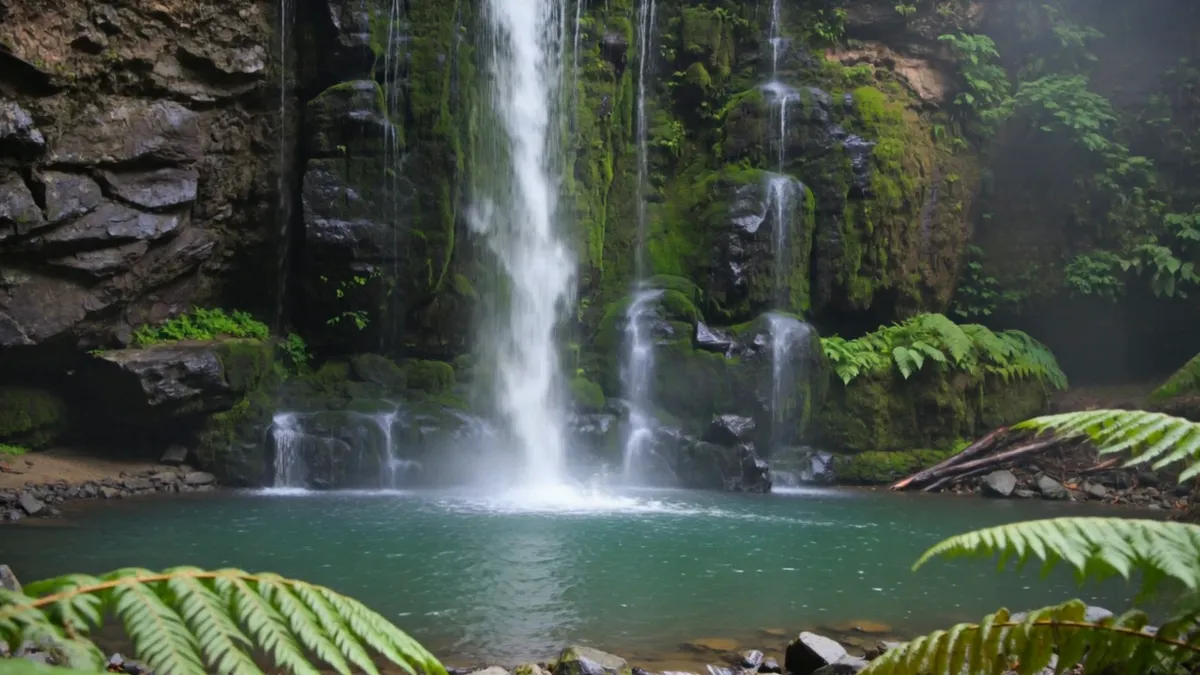
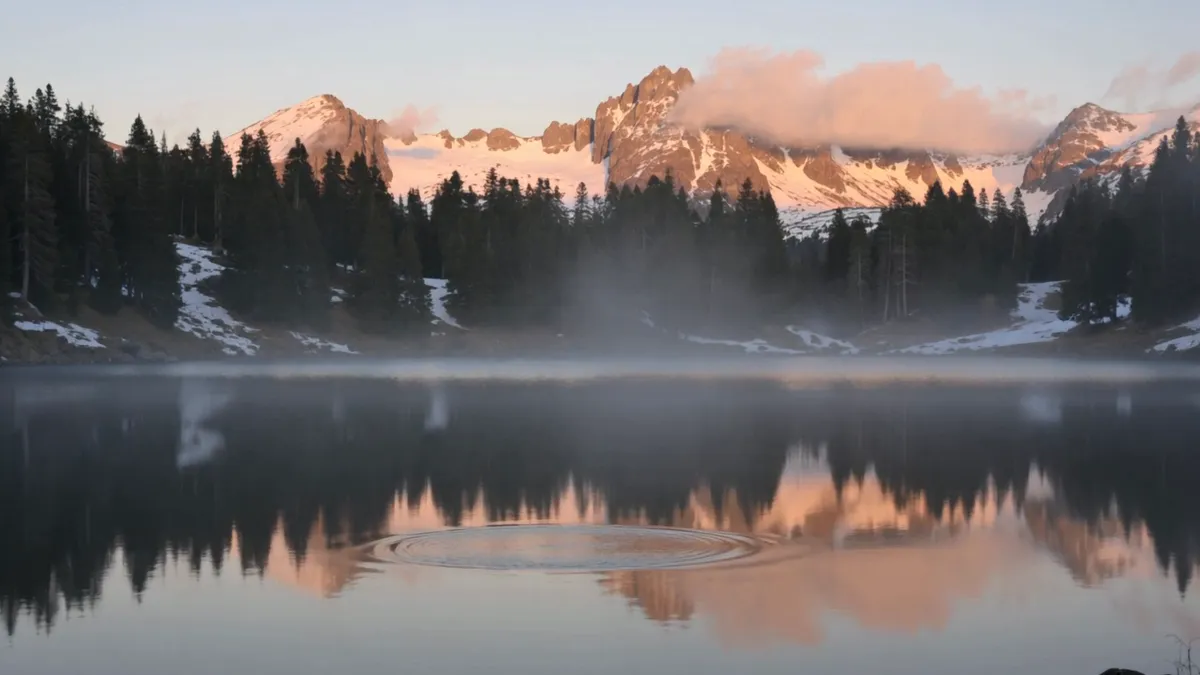
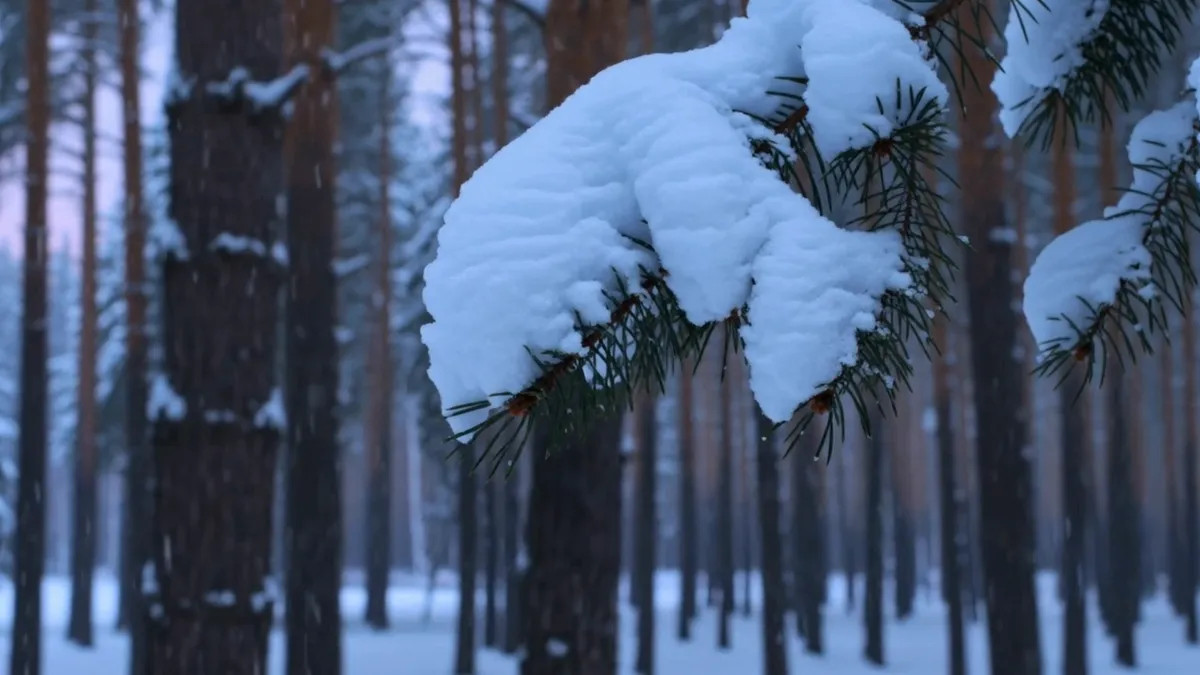
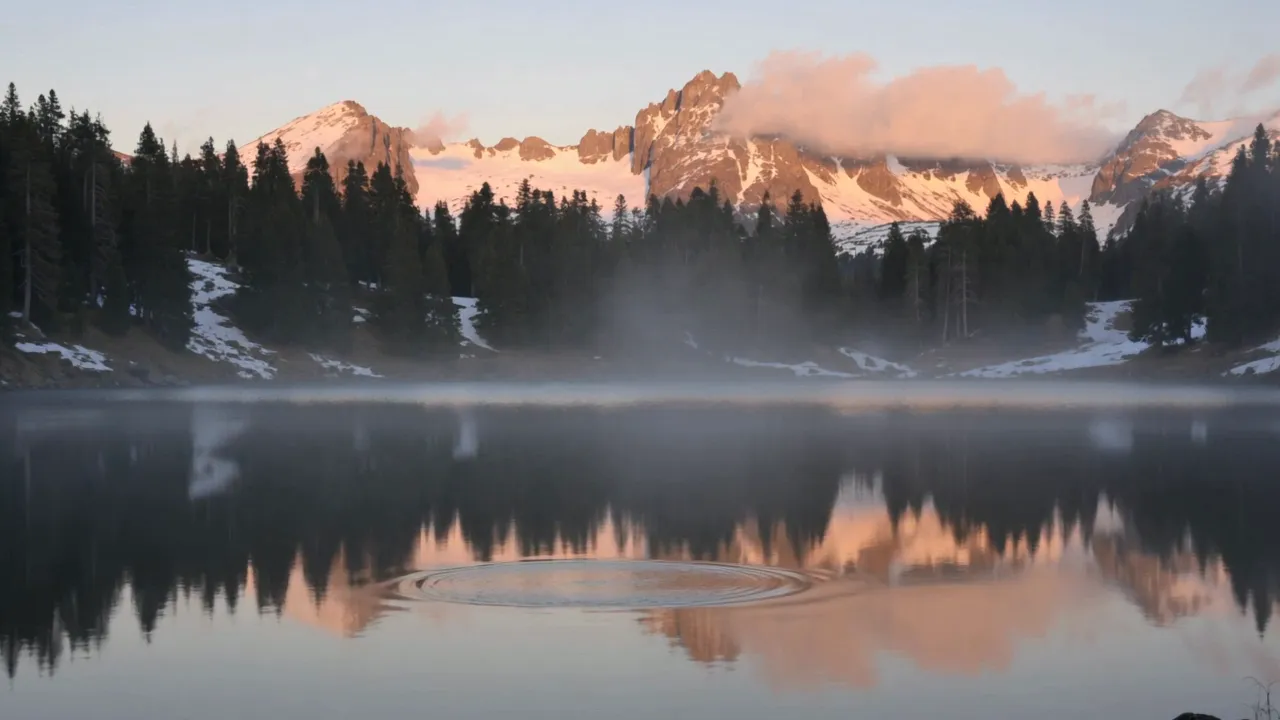
A buyer posted a job for about 60 looped nature videos, around 10 seconds each. A loop lives or dies at the seam. When the last frame jumps back to the first, the eye catches it every time it comes around. Before quoting, we made three samples to show the seam holds: a waterfall, a fog lake at sunrise and snow falling in a pine forest.
These are concept samples made on spec. They were not ordered or delivered to anyone.
What we made
- Three 10 second loops at 1280x720 and 24 fps, 240 frames each, with no mark on them
- A review copy of each that plays the loop three times back to back, so you can hunt for the seam
- The script that locks camera drift, blends the seam and builds the review copies
How it works
Each scene was generated at 12 seconds from a locked-off tripod prompt, with a negative prompt against every kind of camera move. Models still drift, so the script tracks the still parts of the frame with optical flow, measures the drift and holds the frame steady, cropping in just enough to hide the edges. That was a 0.6% crop on the waterfall, 0.5% on the fog lake and 6% on the snow, where the camera wandered about 19 px.
Then the last 2 seconds (49 frames) cross-fade into the first 2 and the clip is cut to 240 frames. The final frame and the first frame come from back-to-back moments of the original render, so the wrap is one ordinary step of motion, not a jump cut.
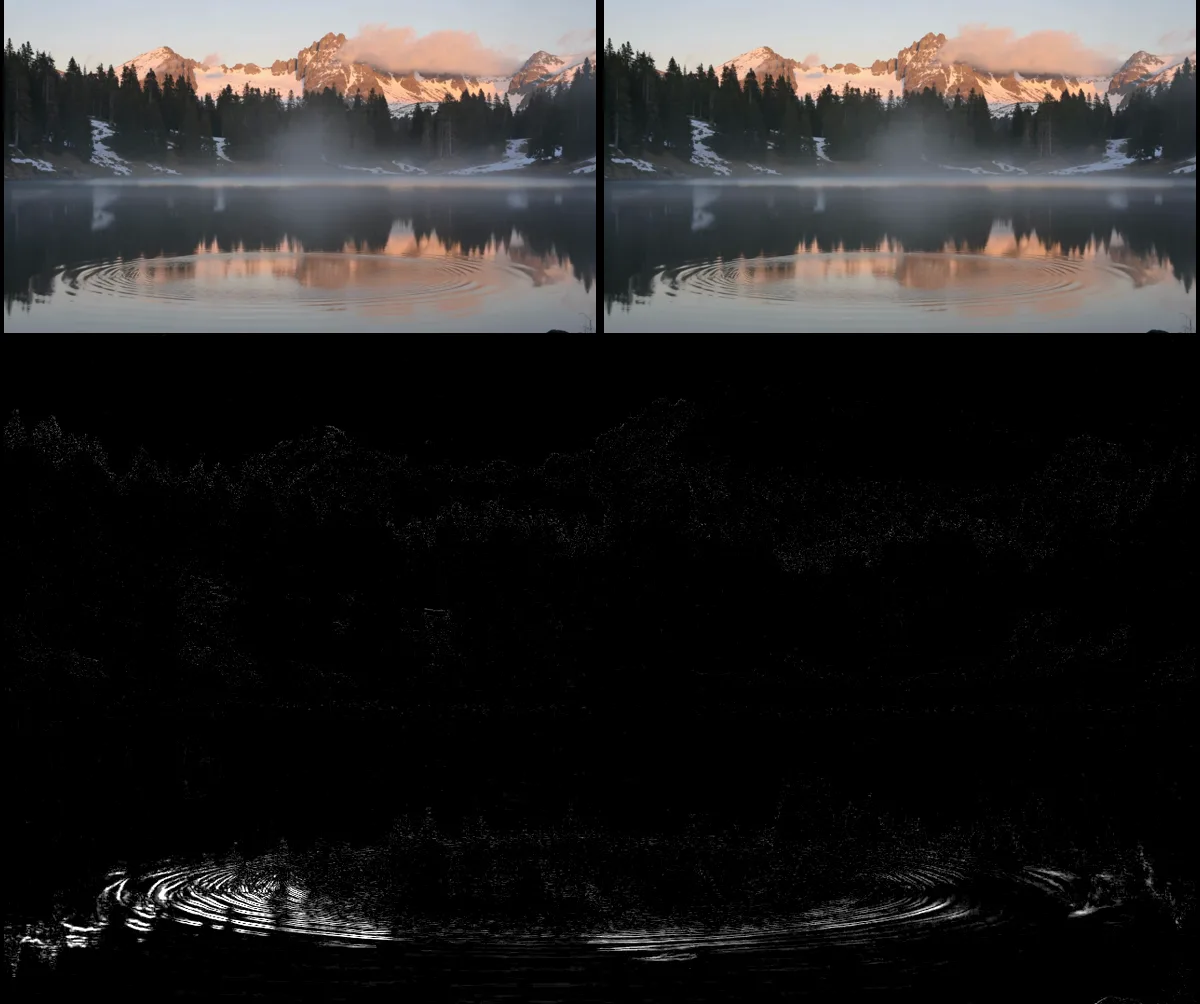
We checked that by measuring it. For every clip we took the mean absolute difference between the last frame and the first (8-bit grayscale, 0 to 255) and compared it with every frame-to-frame step inside the same clip.
- Waterfall: seam 3.13. Inside the clip the median step is 1.97 and the largest is 3.55
- Fog lake: seam 1.80. Median step 0.62, largest 1.73
- Snow: seam 3.65. Median step 2.03, largest 4.32
So in the waterfall and the snow the seam falls inside the clip's own range. In the fog lake it's the biggest step in the clip by 0.07 out of 255. An 8x difference image of each seam lights up only where something moves (the falling water, the lake ripples, the snowflakes) with no outline of a cliff, ridge or tree, so nothing shifts. Part of every seam step comes from compression. The encoder starts a fresh keyframe every 2 seconds, and inside these clips those keyframe steps measure 2.94 to 3.38 (waterfall), 1.17 to 1.42 (fog lake) and 2.60 to 3.01 (snow).
What we threw away
Animals walking through the frame and any camera push. Neither can loop clean, so they get cut at the scene list stage, and every scene was built around motion that hides a seam: falling water, drifting fog, falling snow.
1080p. Those renders timed out on the route the samples were made through, so the samples are 720p.
Some sharpness on the snow loop. Holding its 19 px drift still took a 6% crop, so it's a little softer than the other two.
Limits
Concept samples, not client work.
The footage was generated with Kling 3.0, a third-party video model. The drift lock, seam blend and measurements are ours.
The masters are 720p. Delivering 1080p or 4K means running the renders again on a route that can wait for long jobs. The snow loop is softer than the others because of its crop.
By the numbers the fog lake seam is a hair above that clip's largest normal step. The difference image shows it's ripple timing, not a shift, but the seams haven't been signed off on a final playback screen. A buyer gets full usage rights to the files. Fully AI footage generally can't be copyrighted in the US, so we don't promise copyright.